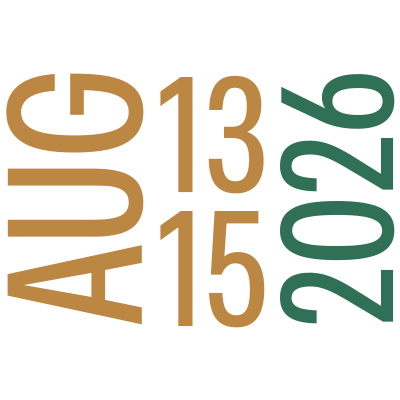
Join Us Aug 13-15, 2026!
During the world's largest Indigenous art market, Better Way Foundation will convene a select group of funders for an immersive and inspiring three-day experience to learn about funding Indigenous communities.
We invite foundations not yet supporting Indigenous communities, or those new to Indian Country, to join us. We have planned an immersive experience to learn about the unique cultural challenges they have faced—and the opportunities—from their own leaders, organizers, and artists. Indigenous leaders and innovators are advancing community-driven solutions—from classrooms to clinics to farms, and together we can help amplify the momentum.
Vision / Approach
This gathering is designed to foster genuine connection, deepen cultural understanding, and explore what lasting philanthropic partnerships with Indigenous communities can look like.
Less than 0.5% of philanthropic dollars support Indigenous causes. While Western systems continue to disinvest in Indian Country, resilient Indigenous communities are building momentum—and we believe philanthropy has an opportunity and responsibility to help amplify that impact.
In 2010, Better Way began intentionally channeling resources into long-disinvested and overlooked communities. Data led us to Pine Ridge Reservation and other Indigenous communities. As a Catholic family foundation, our learning journey challenged assumptions and clarified what Indigenous children need to thrive, laying a foundation for reflection, humility, and curiosity about what more equitable and intentional philanthropy could become.
Today, 100% of Better Way’s grantmaking supports Indigenous communities through an education-focused funding philosophy grounded in nine-year commitments—an approach designed to build trust, strengthen relationships, and deepen impact.
We are excited to convene funders for an immersive and inspiring experience rooted in learning, relationship, and possibility.
Agenda
A detailed agenda will be shared with registered guests. In the meantime, below is a high-level overview.
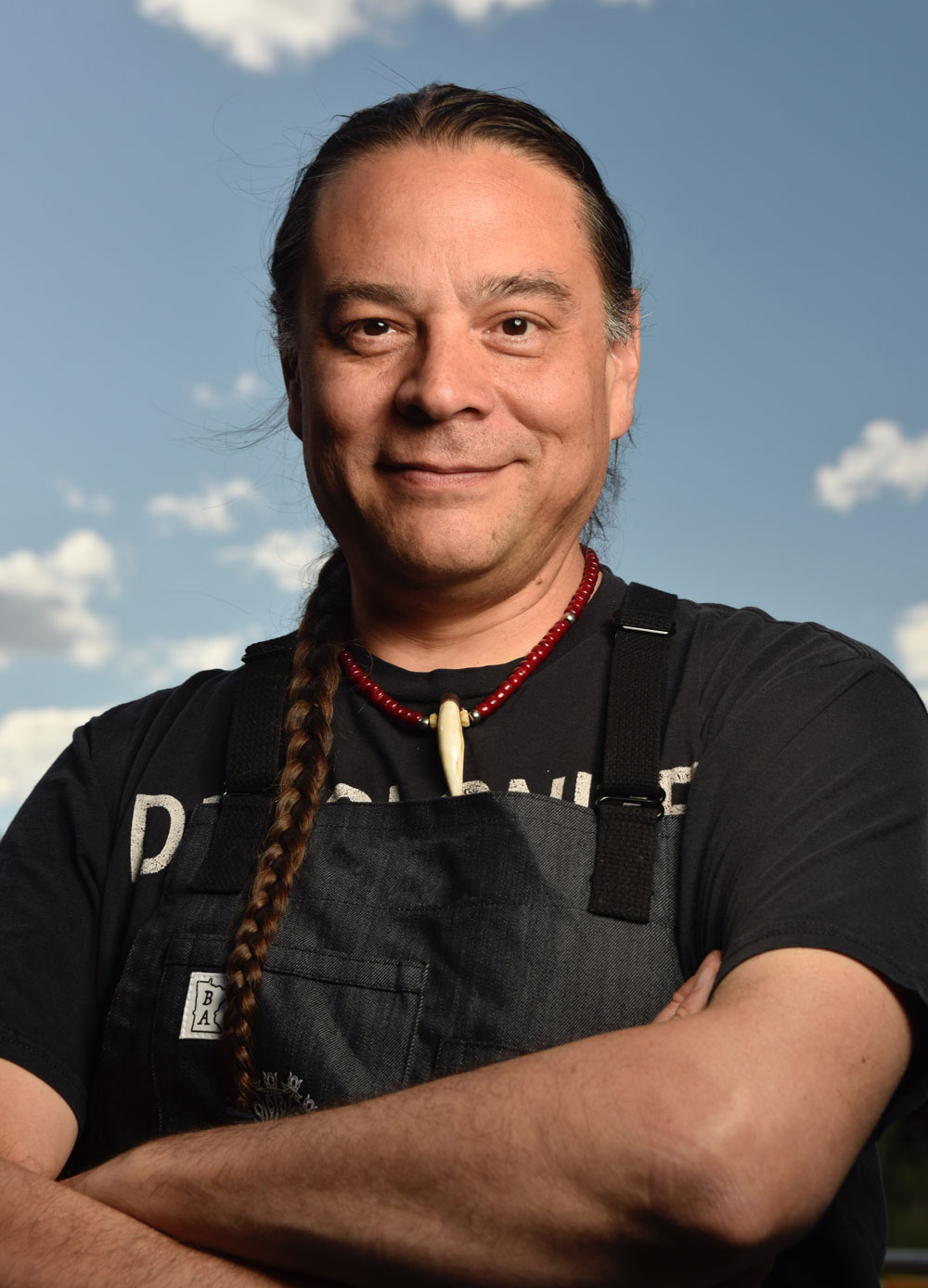
Sean Sherman, member of the Oglala Lakota Sioux Tribe, is an award-winning chef, educator, author, and activist
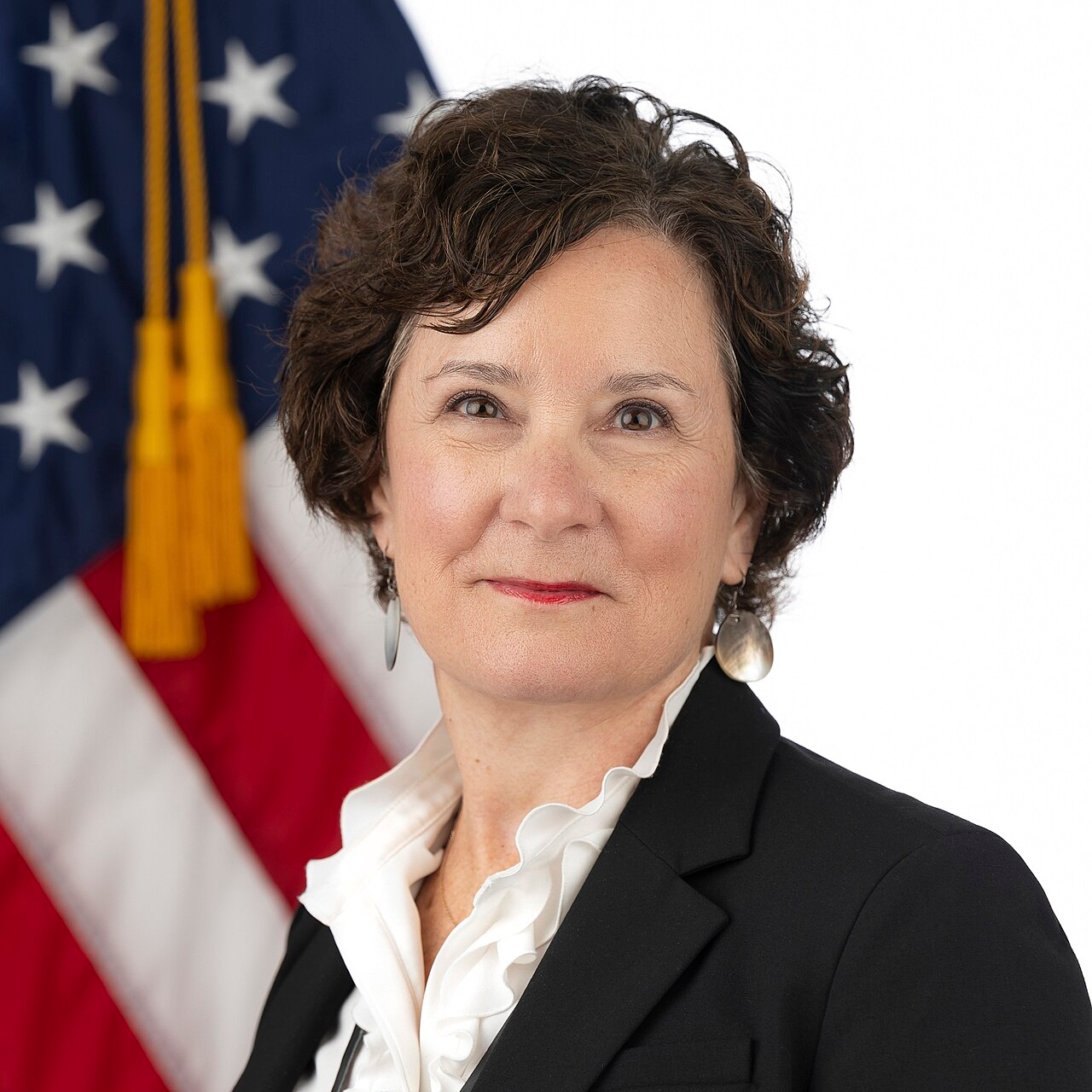
Patrice Kunesh, of Standing Rock Lakota descent, is a former Commissioner for the Administration for Native Americans
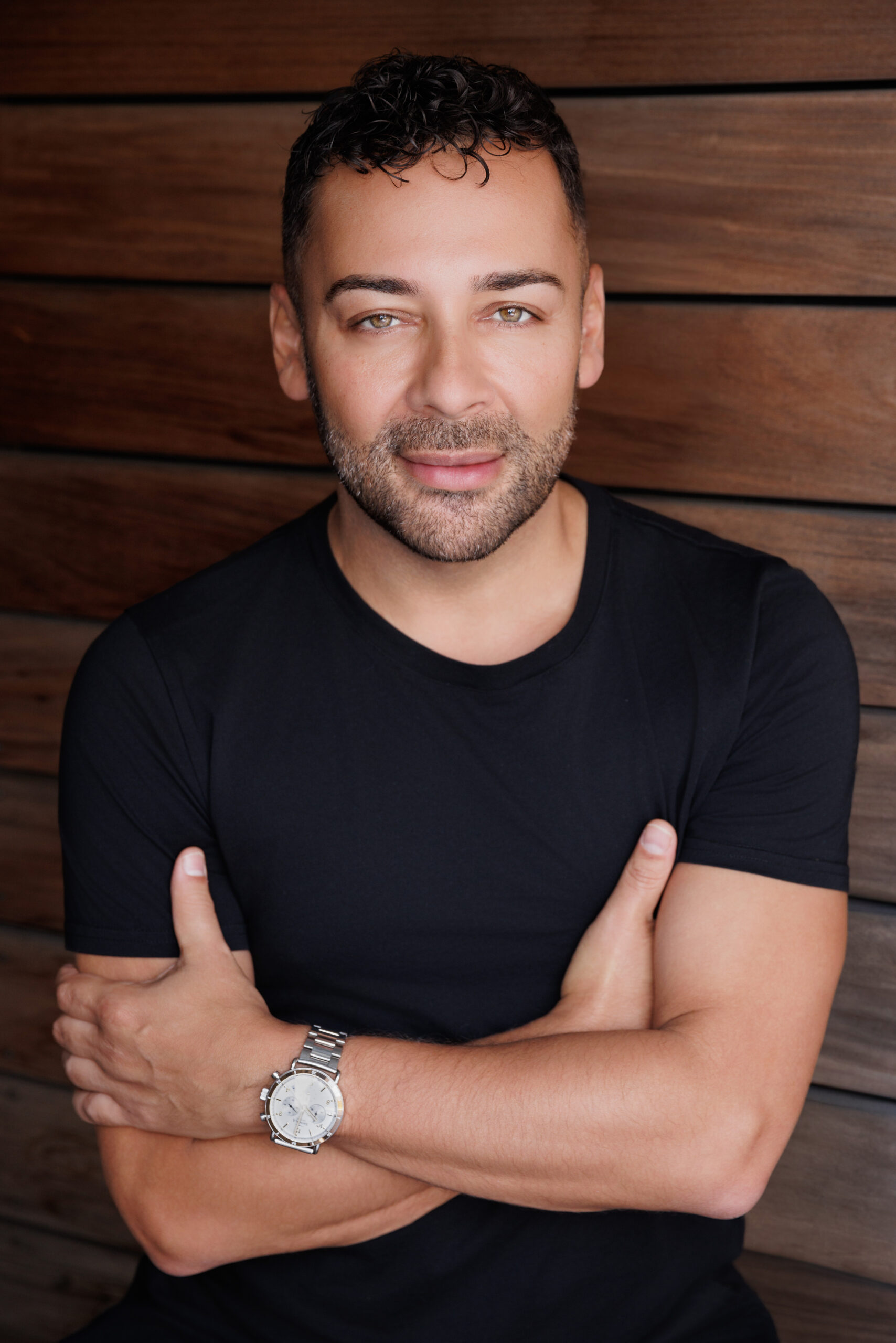
Edgar Villanueva is an author, activist, and the Founder and CEO of the Decolonizing Wealth Project
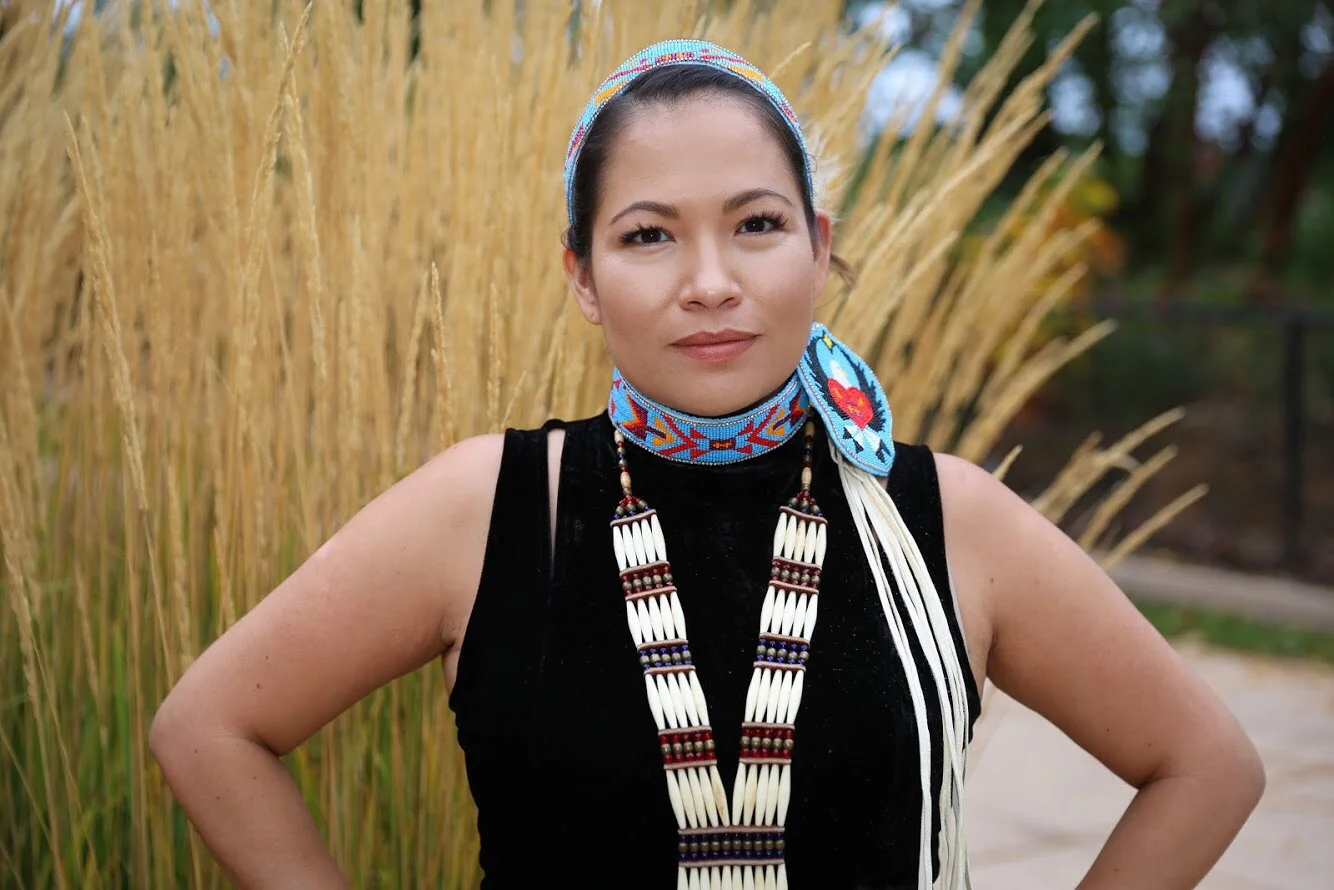
Sarah Eagle Heart (Oglala Sioux Nation) is a writer, activist, and producer, including the Emmy Award-winner Executive Producer of Lakota Nation vs. the United States
Sherry Pocknett is a James Beard Award-winning Mashpee Wampanoag chef and caterer
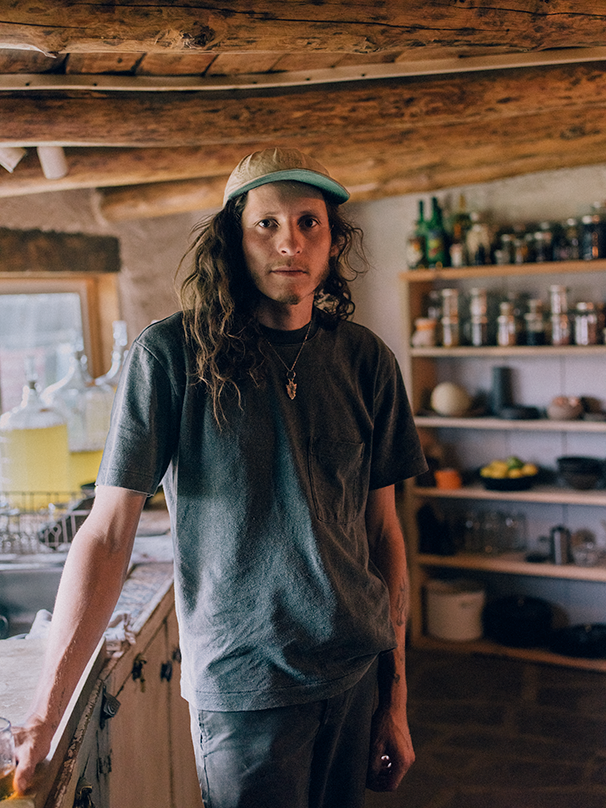
Johnny Ortiz-Concha is a Taos Pueblo/Hispano chef and artist operating the exclusive / shed project
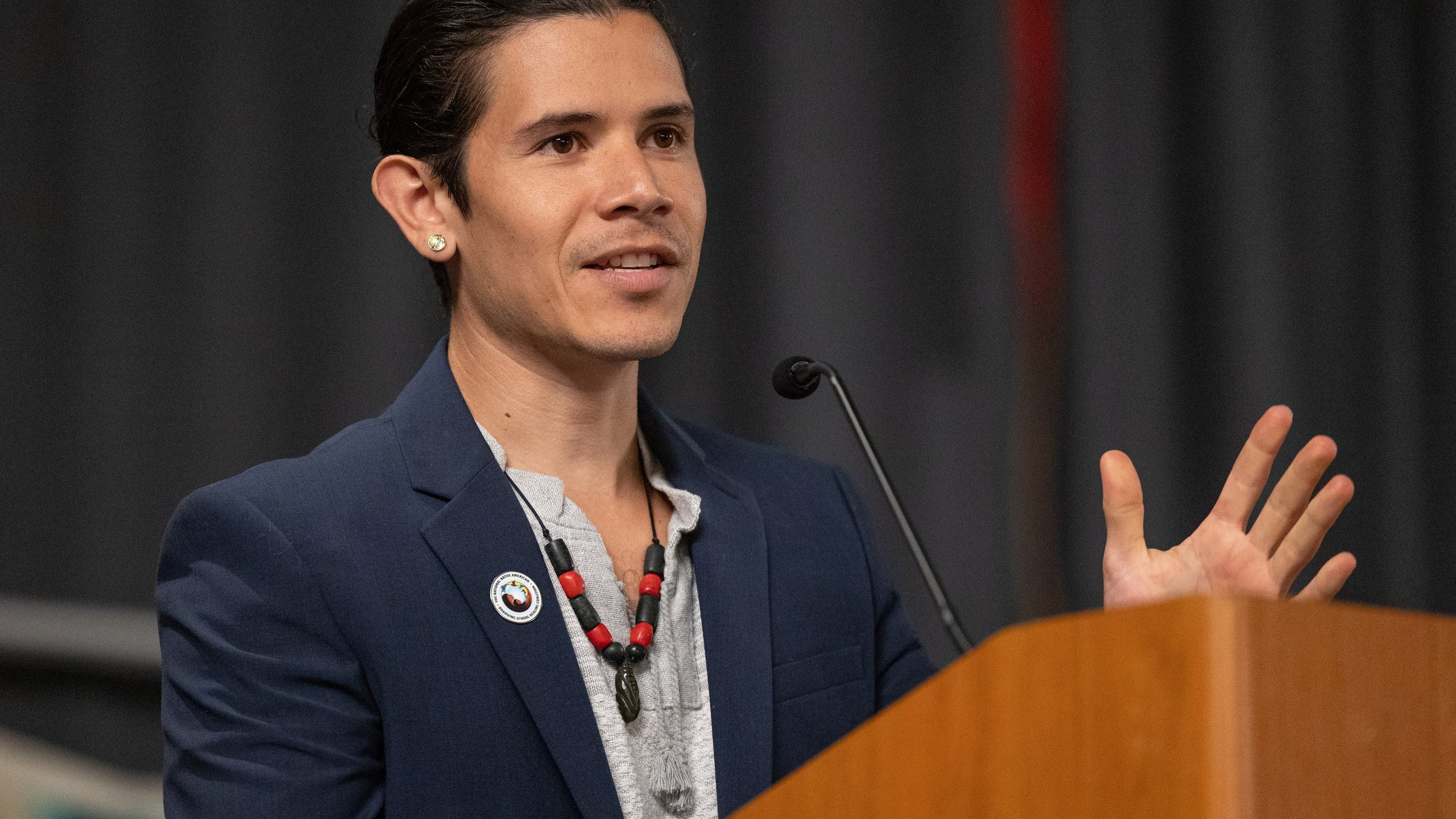
Dr. Samuel Torres is the Deputy CEO for the National Native American Boarding School Healing Coalition
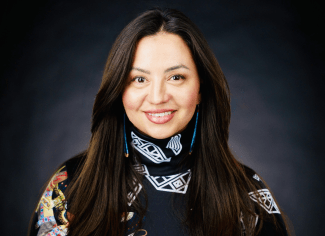
Toni Stanger-Mclaughlin, a citizen of the Colville Confederated Tribes, serves as the CEO of the Native American Agriculture Fund
Mac Hall (Cherokee) is the Founder of Project Venture, the only Native-developed youth program in the U.S. that has been thoughtfully evaluated and shown to improve outcomes through the highest level of research
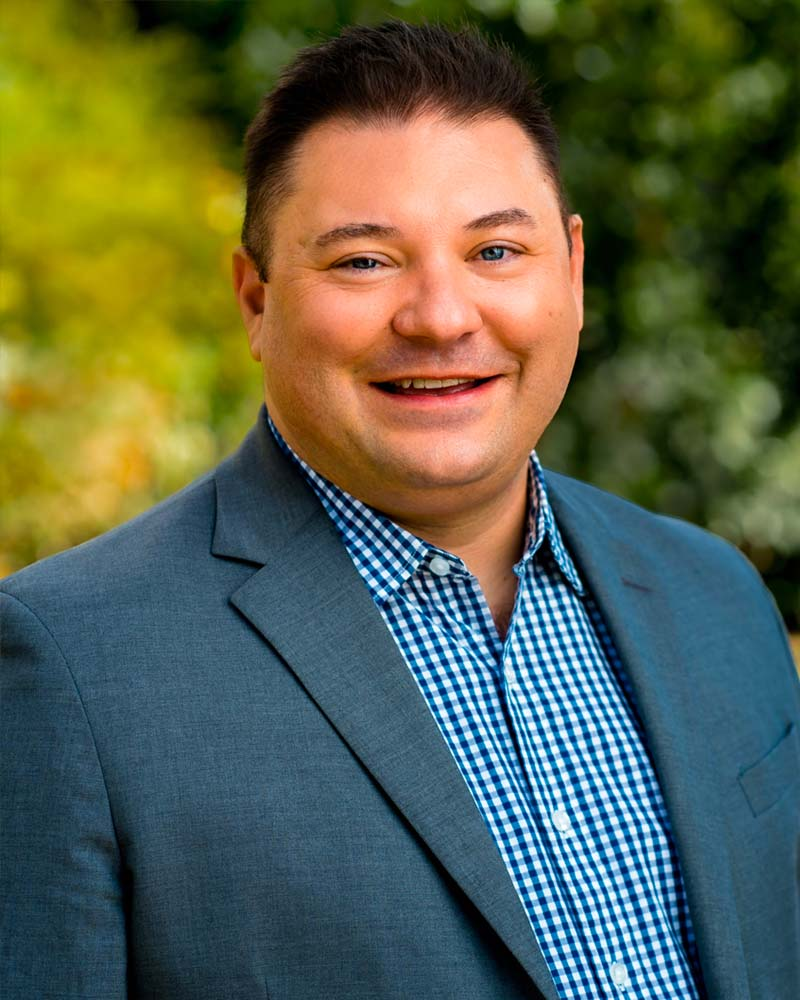
Erik Stegman, Carry the Kettle First Nation–Nakoda, is the CEO of Native Americans in Philanthropy
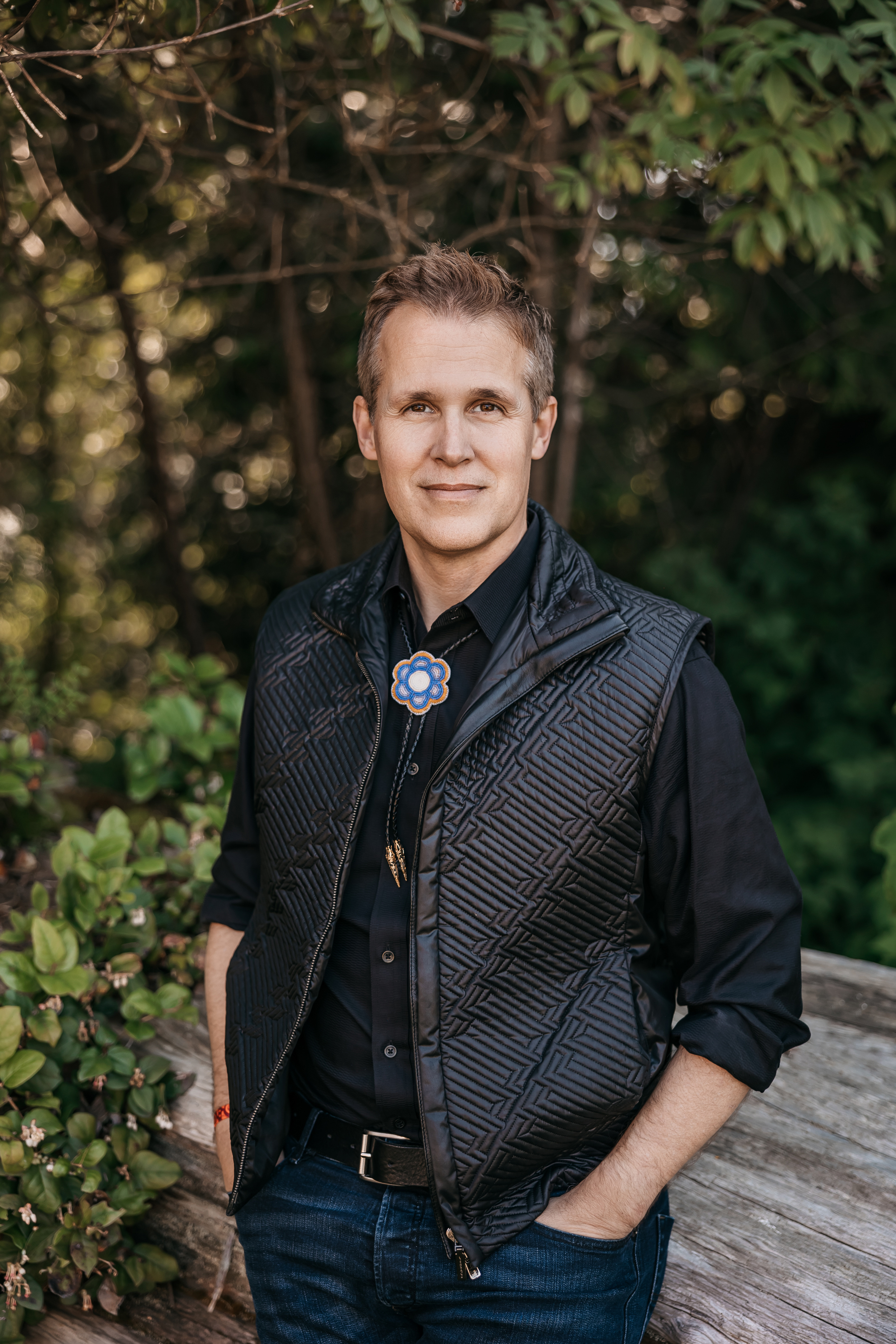
Michael Hungerford, Partner, Seven Generations Capital, is a member of the Gwich’in First Nation and is passionate about promoting the well-being of Indigenous peoples through initiatives in Indigenous economic development
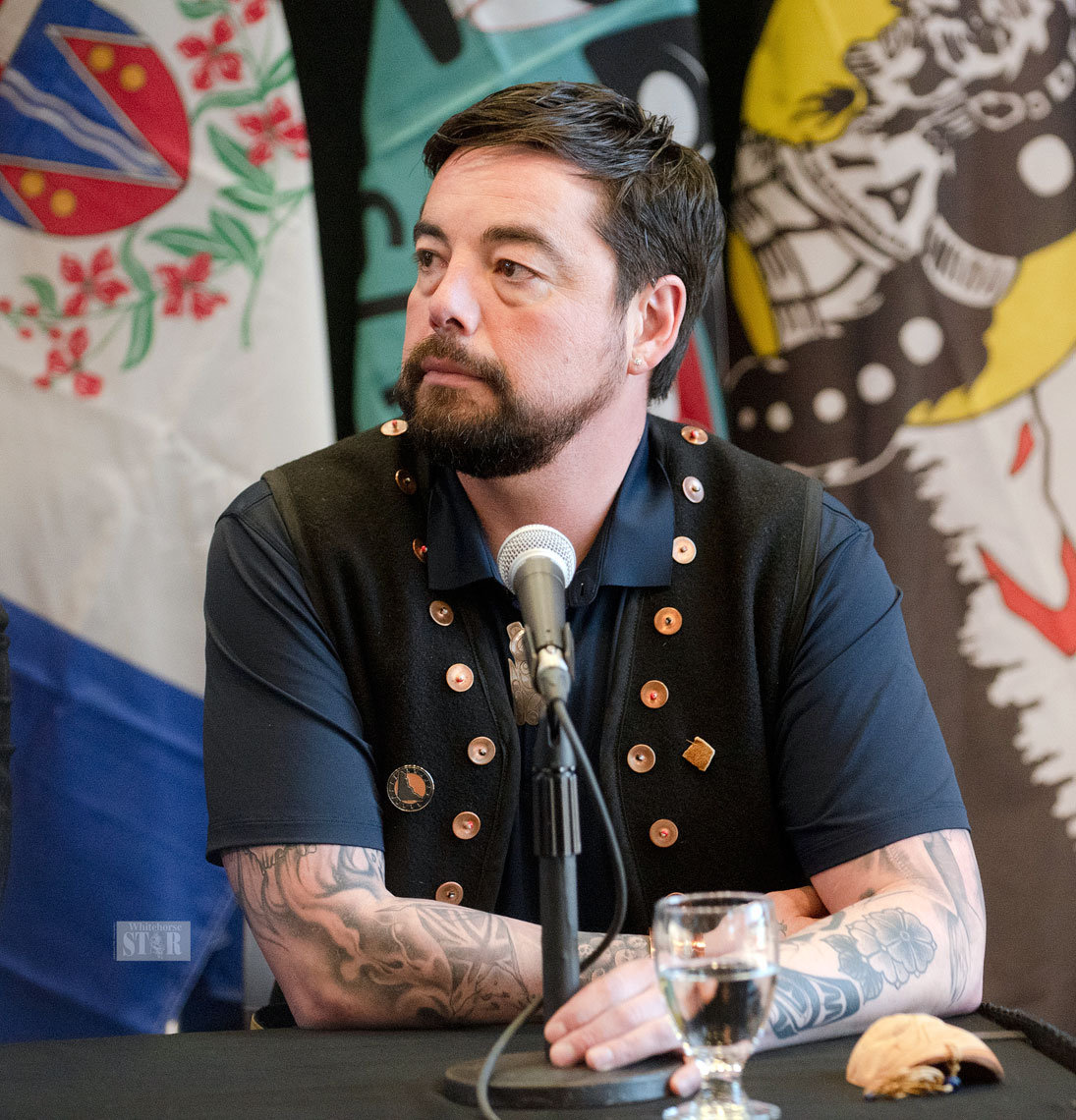
Peter Johnston is the former Grand Chief at Council of Yukon First Nations and Vice-Chair, Yukon First Nation Implementation Fund Trust
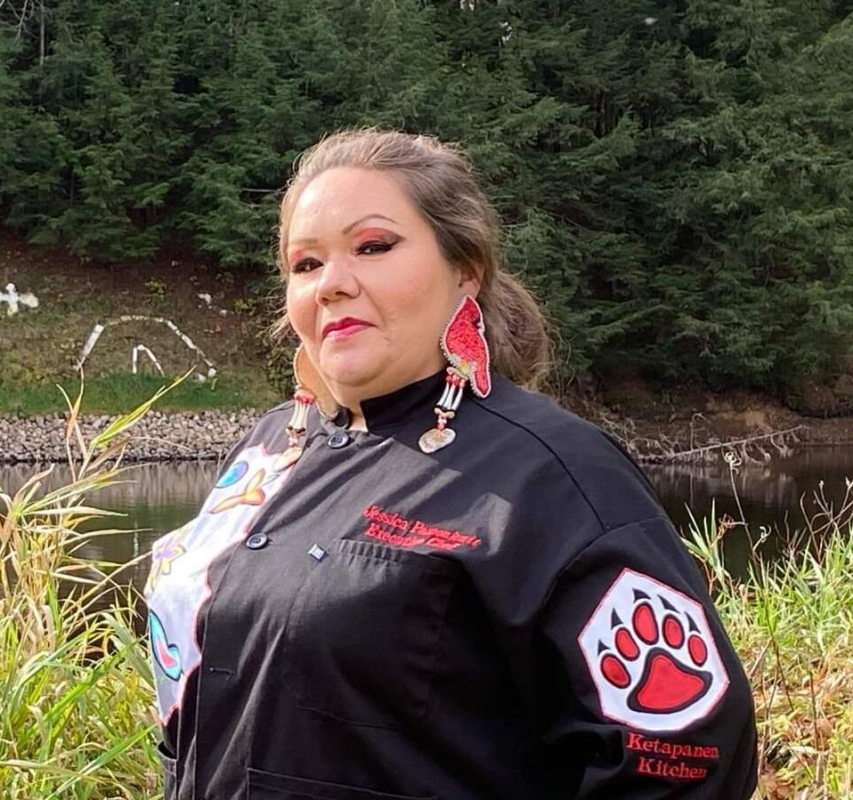
Jessica Pamonicutt (enrolled member of the Menominee Indian Tribe), is the Executive Chef and Owner of Ketapanen Kitchen--Chicago’s first and only Native American Pop-Up Kitchen and Catering Company
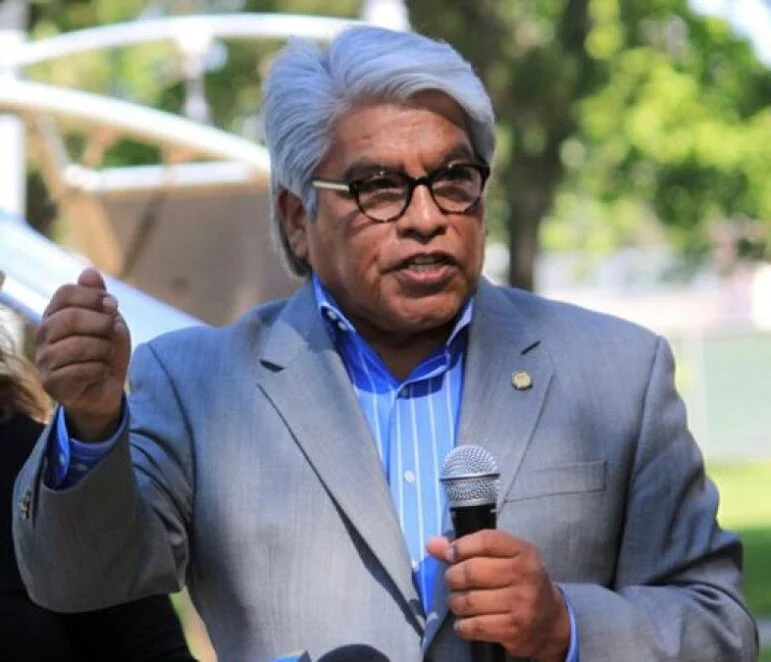
Regis Pecos is a former Governor of Cochiti Pueblo and co-founder of the Leadership Institute at Santa Fe Indian School
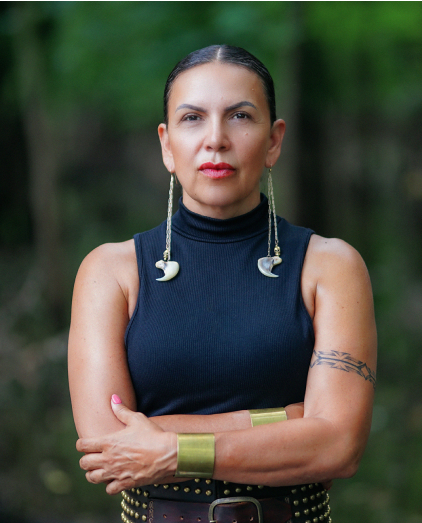
Jodi Archambault (Hunkpapa and Oglala Lakota) is an acclaimed advocate, artist, and founder of ANPO dedicated to advancing Indigenous rights, visibility, and opportunity
Learning & Event Highlights
- Thursday, Aug. 13
Topic Description Walking tour
Film screening
This event is in partnership with the Southwestern Association for Indian Arts.
Welcome reception
Enjoy a Great Plains–Southwest fusion meal prepared by James Beard Award-winning chef Sean Sherman and Santa Fe native chef Randy Tapia—who has worked in some of Santa Fe’s most iconic restaurants—alongside local Santa Fe community leaders.
- Friday, Aug. 14
Topic Description Opening circle
Framing and expectation-setting for the day.
Morning learning engagements
Reconciliation & self-determination
Through a series of interconnected sessions, participants will explore how philanthropy can more deeply engage with truth-telling, healing, and Indigenous self-determination.
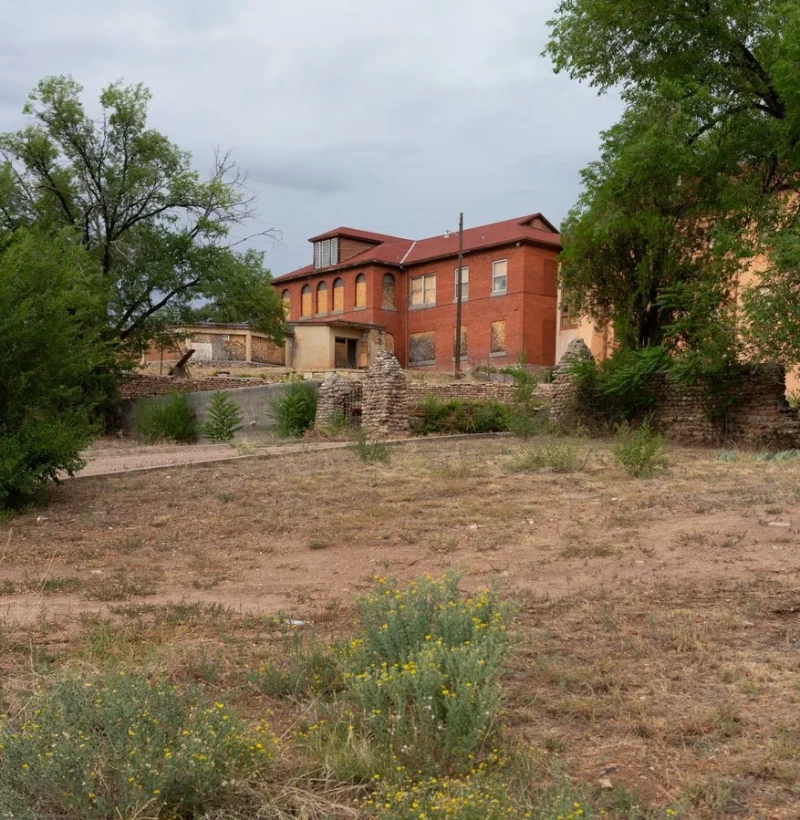
At the former St. Catherine’s Indian School, Indigenous leaders will reflect on the enduring impacts of boarding schools and cultural erasure while sharing how communities are advancing education sovereignty, language revitalization, healing, and visions for future generations. Additional sessions will examine truth and reconciliation efforts in Canada and the implications for institutional accountability and repair. The series will conclude with a conversation featuring Edgar Villanueva on unlearning within philanthropy and what it means to move resources in ways that are more relational, responsive, and co-created with communities.
Lunch
Enjoy a special meal prepared by local James Beard Award-finalist, Justin Pioche, and James Beard Award-winning chef Sherry Pocknett, Mashpee Wampanoag.
Afternoon learning engagements
Community wellbeing & systems change
Participants will explore how long-term partnership and more responsive philanthropy can support Indigenous priorities in areas including housing and public health. Sessions will highlight Indigenous-led approaches to addressing systemic challenges, strengthen understanding of the interconnected nature of issues, and examine what it looks like for philanthropy to move from transactional support toward sustained, relational partnership with communities.
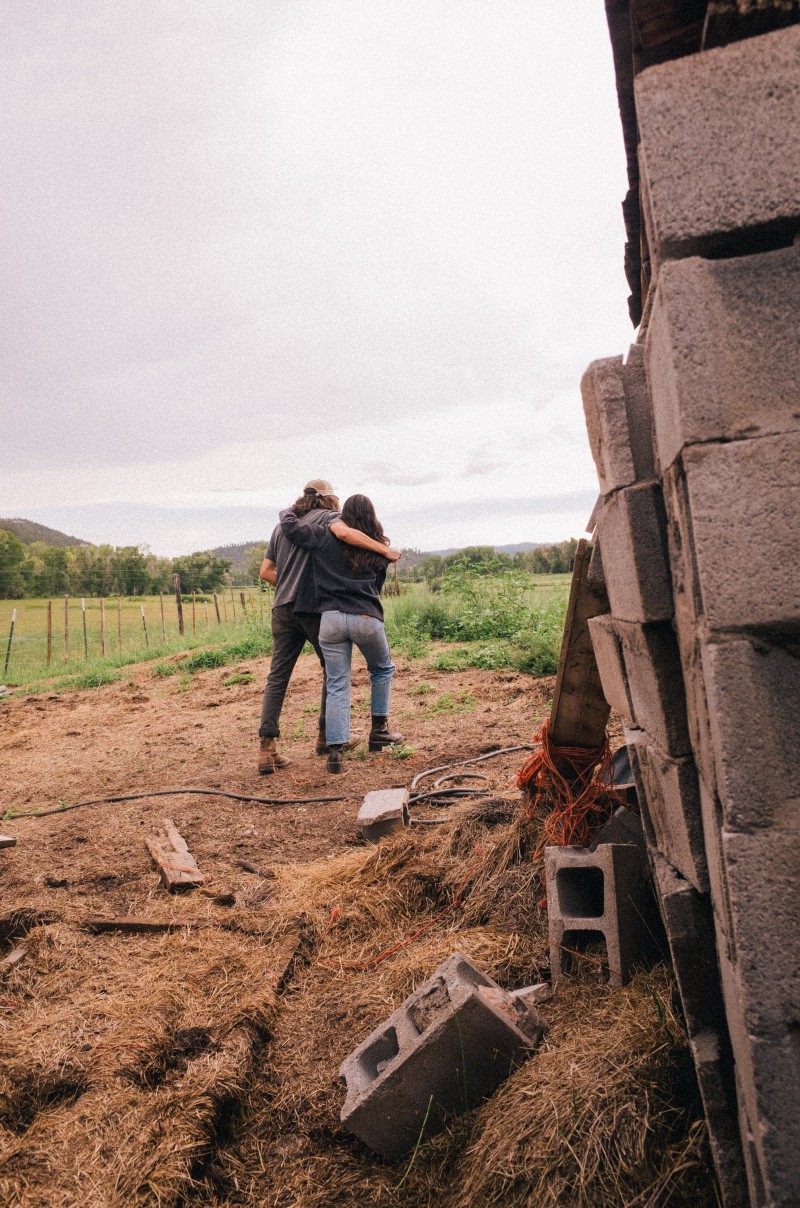
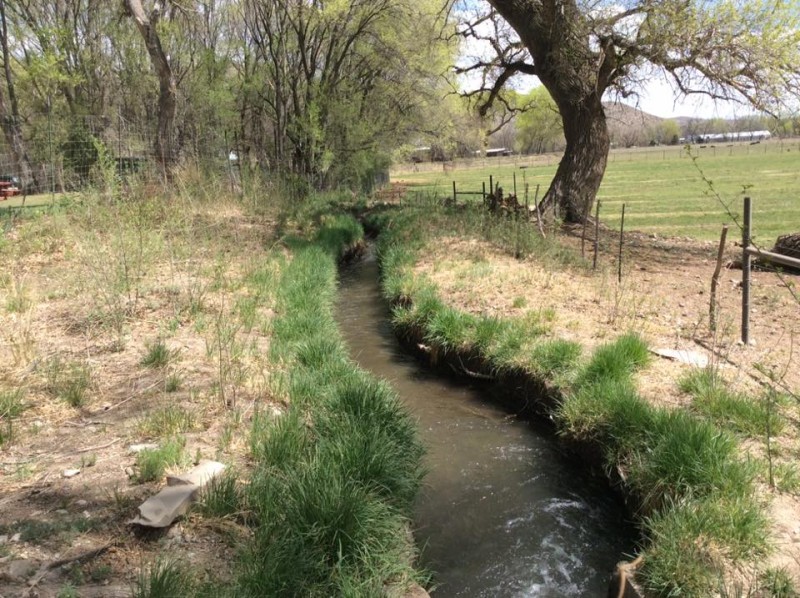
The afternoon will conclude at an acequia training farm, offering participants an opportunity to connect these conversations to land, water, food systems, and community stewardship in practice.
Sunset dinner & stories of the sky
Meal provided by Johnny Ortiz of the / shed, hosted by the Brindle Foundation, the W.K. Kellogg Foundation, and the LANL Foundation.
- Saturday, Aug. 15
Topic Description Opening circle
Morning learning engagements
Community wealth & catalytic investment
Participants will explore Indigenous entrepreneurship and community-led economic development, including how local Indigenous communities have leveraged public investments to generate catalytic, long-term impact. Speakers will highlight creative and practical approaches to investing in Indigenous-led enterprises, with an emphasis on self-determination, cultural grounding, and locally driven economic strategies.
These conversations will be paired with a dialogue featuring funders that have worked to shift power and financial authority to Indigenous communities.
Together, the sessions will surface lessons on moving beyond traditional grantmaking toward more trust-based, community-led investment approaches that expand opportunity and strengthen long-term resilience.
Actions & commitments
SWAIA Gala
Santa Fe Indian Market official event.
- Sunday, Aug. 16 (optional)
Topic Description Attendee breakfast
Optional for those with later departure flights or who would like additional time to explore the Santa Fe Indian Market.

Experiences

Learn about opportunities for investment and partnership.
Engage in inspiring conversation with cultural voices and collaborate with change makers shaping the future of tribal communities.
Savor a culinary journey celebrating the flavors and culture from various regions across the U.S.
Partnership Opportunities
- Serve as one of the leading foundations hosting alongside Better Way for this special Indigenous communities-focused Santa Fe gathering.
- Sponsor a signature element of the Santa Fe gathering.
- Join in one or more ready-to-fund Indigenous community- and education-specific initiatives.
Sponsors


Confirm Your Interest in Learning More or Attending
Our intention is to increase investment in Indigenous communities.
Our aim is to have attendees commit to—within one year of this gathering—a meaningful investment in an Indigenous organization OR a leadership-endorsement plan to start investing in Indigenous communities.
Funders new to working alongside Indigenous communities are welcome to join. The expectation is that within one year of this gathering, they both deepen their learning about and increase their investment in Indigenous communities.
The gathering is intentionally structured for candid dialogue, shared learning, and practical exploration of how funders can engage Indigenous communities with humility, accountability, and long-term commitment.
- Space is limited to 50 attendees to foster meaningful conversation and peer exchange.
- Please note that a block of hotel rooms has been reserved in Santa Fe. Details will be shared with registered guests.
- The registration fee for this gathering is $750 and includes meals and ground transportation (admission to the Santa Fe Indian Market gala is separate).
Questions? Please contact Mariah Mendez at the Better Way Foundation: mmendez@betterwayfoundation.org